
Loading, please wait...
.webp&w=384&q=75)
Loading, please wait...
"Wherever the art of Medicine is loved, there is also a love of Humanity."
— Hippocrates

The clinical outcomes of the high tibial osteotomy (HTO) vs the proximal fibular osteotomy (PFO) operation were compared using systematic reviews of 23 studies. As per result, PFO and HTO are equally effective in the short run for treating KOA, but PFO has the advantage of reducing the length of the procedure, intraoperative bleeding, hospital stay, and postoperative complications. Therefore, PFO can be preferred.

Link will be sent via SMS to your number.



The clinical outcomes of the high tibial osteotomy (HTO) vs the proximal fibular osteotomy (PFO) operation were compared using systematic reviews of 23 studies. As per result, PFO and HTO are equally effective in the short run for treating KOA, but PFO has the advantage of reducing the length of the procedure, intraoperative bleeding, hospital stay, and postoperative complications. Therefore, PFO can be preferred.
3 years back
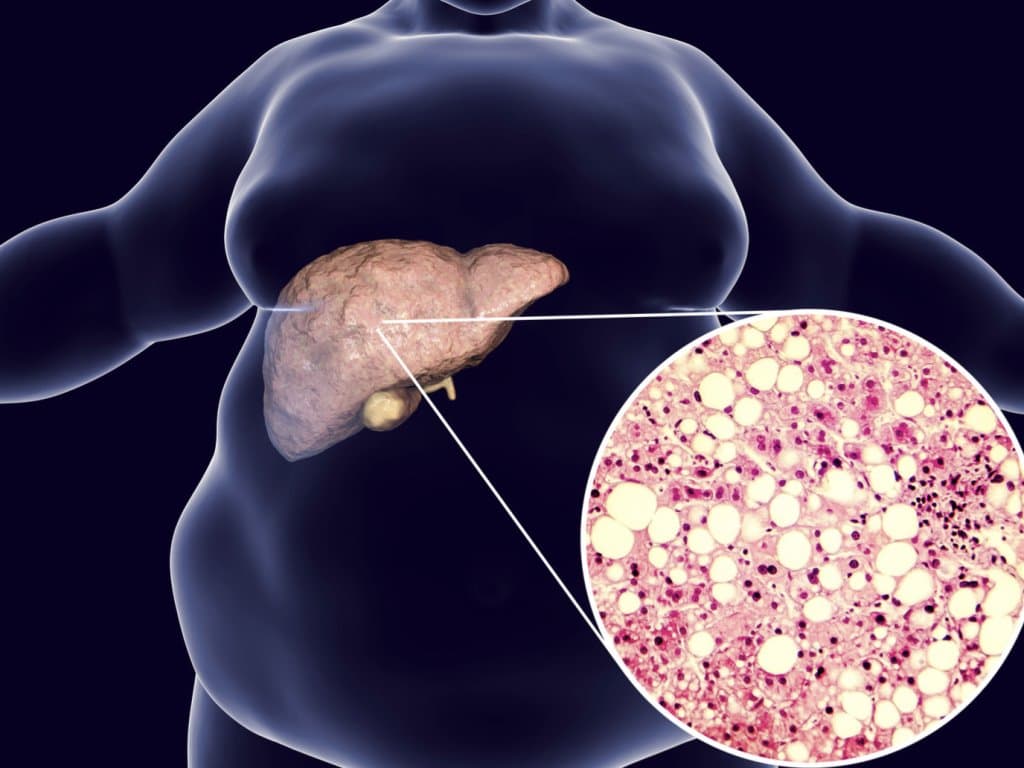
Experts examined 20,042 individuals with fatty liver and found a significantly higher prevalence of pulmonary nodules compared to the general population. Male gender, older age, lower body weight, and lower diastolic blood pressure were identified as independent risk factors for the development of pulmonary nodules in patients with fatty liver. These findings underscore the importance of considering pulmonary nodules in this population.
last year

The association b/w infertility, assisted reproduction & cervical insufficiency (CI) was assessed among 2,662 women. Infertility increased CI risk in pregnancies with fertility treatments & no miscarriage history. No association was found b/w fertility treatments & CI in women with miscarriage history. Results help refine CI risk assessment for fertility treatment recipients. Risk assessment can be tailored for women on fertility treatments.
last year

The importance of the cardiac arrest survival score (CRASS) in predicting the likelihood of good neurological outcomes following Out-of-Hospital Cardiac Arrest (OHCA) has been verified. Only 260 patients out of 11,404 had an adequate neurological function. CRASS frequently overestimated the projected likelihood of favorable outcomes. In predicting favorable neurological outcomes, CRASS exhibited strong discrimination and modest calibration.
4 months ago

Experts examined 125 hospitalized patients with type 2 diabetes (T2D) and investigated the relationship between albumin levels and osteoporosis (OP). After adjusting for confounding factors, low albumin was associated with a higher OP risk, particularly in men. No significant association was found in women. These findings suggest that albumin levels should be considered in osteoporosis risk management for male patients with diabetes.
last year