
Loading, please wait...
.webp&w=384&q=75)
Loading, please wait...
"Wherever the art of Medicine is loved, there is also a love of Humanity."
— Hippocrates

Anemia impacts up to half of all pregnancies globally, presenting a critical public health challenge, particularly in South Asia. Notably, this includes India, where the prevalence of anemia in pregnancy remains significantly high. Consequently, research into optimal maternal iron status is vital for improving perinatal outcomes. A recent large, population-based cohort study now provides crucial insight into the relationship between Early Pregnancy Hemoglobin (Hb) levels and severe neonatal morbidity and mortality (SNM-M).
\nResearchers in Canada studied over one million births to analyze the nonlinear association between Hb concentration and SNM-M, measuring Hb at 2 to 12 weeks' gestation. Furthermore, the extensive study confirmed a definitive U-shaped relationship with adverse outcomes. Therefore, both maternal anemia and relative erythrocytosis were associated with increased neonatal morbidity and mortality. For instance, a hemoglobin concentration of 105 g/L (anemia) resulted in an adjusted Relative Risk (aRR) for SNM-M of 1.08. However, an Hb level of 150 g/L (relative erythrocytosis) was linked to an even higher aRR of 1.20, compared to the reference value of 125 g/L. Conversely, other large-scale reviews spanning multiple studies also show that anemia significantly increases the risk of low birth weight, preterm birth, and perinatal mortality in South Asian populations.
\nThe findings strongly suggest that the "sweet spot" for maternal Hb in early pregnancy may be narrower than previously assumed. Consequently, practitioners must recognize that high Hb levels—not just low levels—warrant further investigation. In fact, a rise in the aRR was also observed at 135 g/L (aRR 1.05). Clinicians should therefore aim for a balanced Hb level rather than simply over-correcting anemia. The limitations of the initial study included not knowing the iron replacement status of the women before or during pregnancy. This is a critical factor for Indian practitioners, who routinely prescribe Iron and Folic Acid (IFA) supplements starting after the first trimester. Therefore, the authors recommend that future randomized clinical trials (RCTs) specifically evaluate the precise effect of iron therapy on perinatal outcomes based on the degree of Hb correction. Ultimately, this research calls for a re-evaluation of treatment goals beyond the traditional focus on only addressing anemia.
\nQ1: What is the primary clinical finding of this study regarding Early Pregnancy Hemoglobin?
\nThe study found a U-shaped relationship between early pregnancy hemoglobin (Hb) concentration and severe neonatal morbidity and mortality (SNM-M). This means that both low Hb (maternal anemia) and high Hb (relative erythrocytosis) are associated with an increased risk of adverse outcomes, with 125 g/L being the reference point for lowest risk.
\nQ2: Why is the finding about high hemoglobin (erythrocytosis) significant?
\nHigh Hb levels, such as 150 g/L, carried an adjusted Relative Risk (aRR) of 1.20 for SNM-M, which was higher than the risk associated with moderate anemia (105 g/L). Therefore, this highlights the danger of potential over-correction or excessive iron status, suggesting clinicians should aim for a true optimal range, not just the upper limit of normal. Moreover, a systematic review also supports a nonlinear association between Hb and adverse outcomes.
\nQ3: How does this impact iron supplementation in India?
\nIndia has a high prevalence of anemia and national guidelines recommend universal Iron and Folic Acid (IFA) supplementation. However, this new data suggests that the goal should be a precise correction rather than aggressive over-supplementation that could lead to relative erythrocytosis in some women, which itself poses a risk. Future RCTs are needed to define optimal iron therapy protocols.
\nReferences
\n
Link will be sent via SMS to your number.



The importance of the cardiac arrest survival score (CRASS) in predicting the likelihood of good neurological outcomes following Out-of-Hospital Cardiac Arrest (OHCA) has been verified. Only 260 patients out of 11,404 had an adequate neurological function. CRASS frequently overestimated the projected likelihood of favorable outcomes. In predicting favorable neurological outcomes, CRASS exhibited strong discrimination and modest calibration.
4 months ago
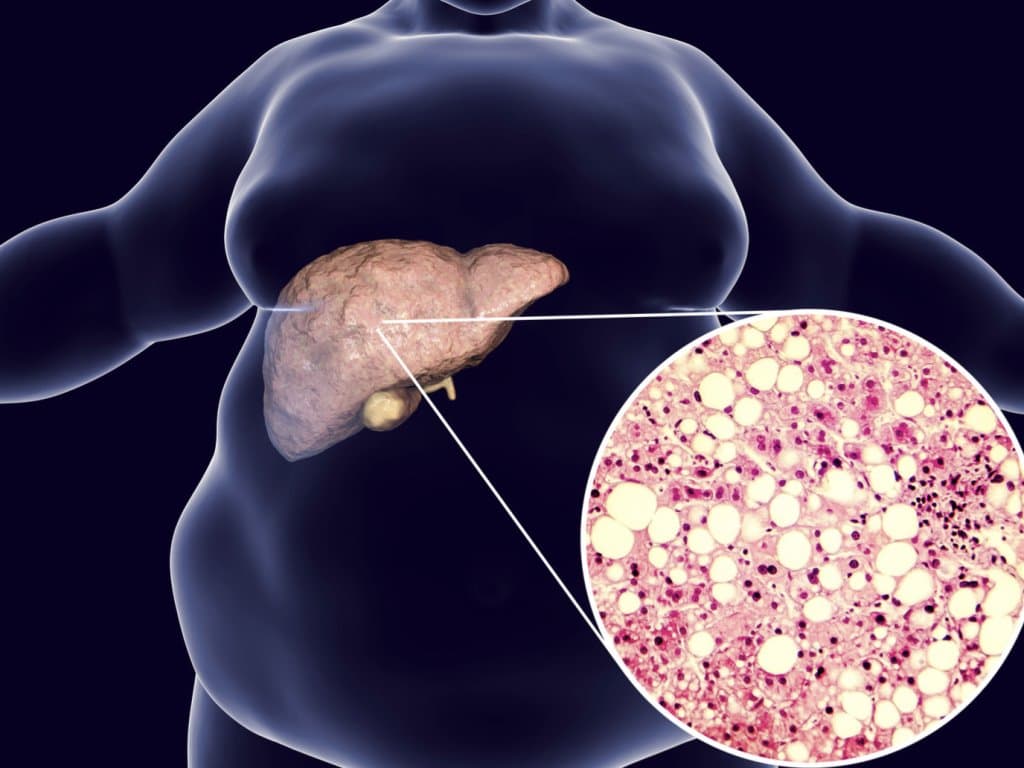
Experts examined 20,042 individuals with fatty liver and found a significantly higher prevalence of pulmonary nodules compared to the general population. Male gender, older age, lower body weight, and lower diastolic blood pressure were identified as independent risk factors for the development of pulmonary nodules in patients with fatty liver. These findings underscore the importance of considering pulmonary nodules in this population.
last year
The association b/w infertility, assisted reproduction & cervical insufficiency (CI) was assessed among 2,662 women. Infertility increased CI risk in pregnancies with fertility treatments & no miscarriage history. No association was found b/w fertility treatments & CI in women with miscarriage history. Results help refine CI risk assessment for fertility treatment recipients. Risk assessment can be tailored for women on fertility treatments.
last year
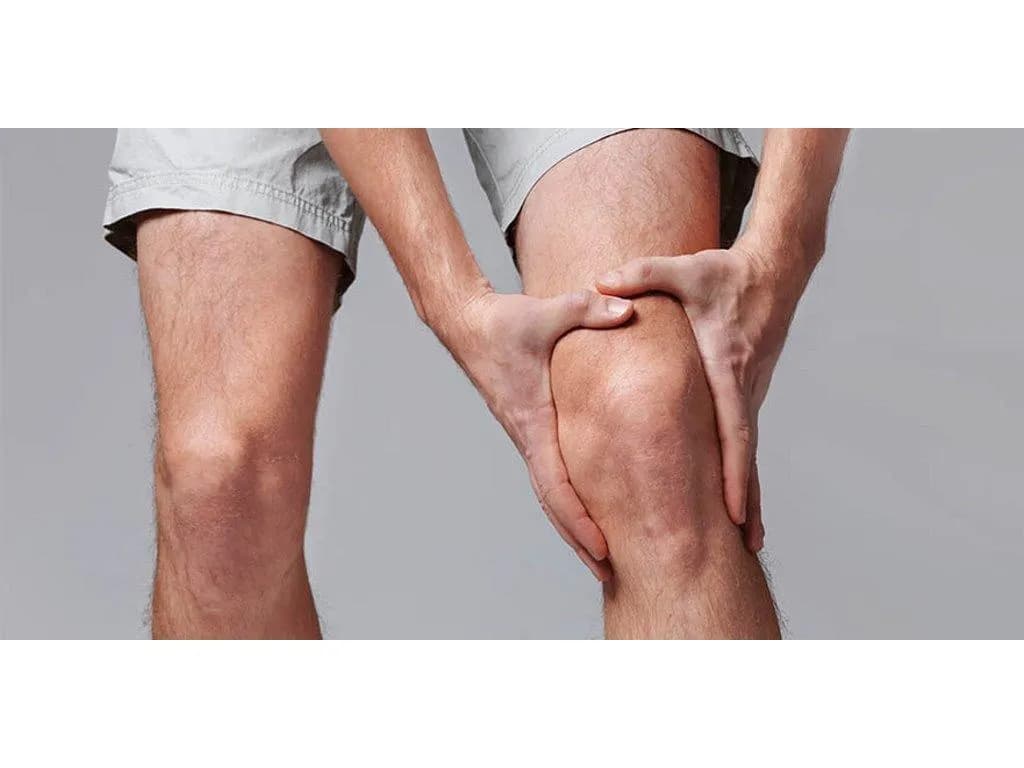
The clinical outcomes of the high tibial osteotomy (HTO) vs the proximal fibular osteotomy (PFO) operation were compared using systematic reviews of 23 studies. As per result, PFO and HTO are equally effective in the short run for treating KOA, but PFO has the advantage of reducing the length of the procedure, intraoperative bleeding, hospital stay, and postoperative complications. Therefore, PFO can be preferred.
3 years back
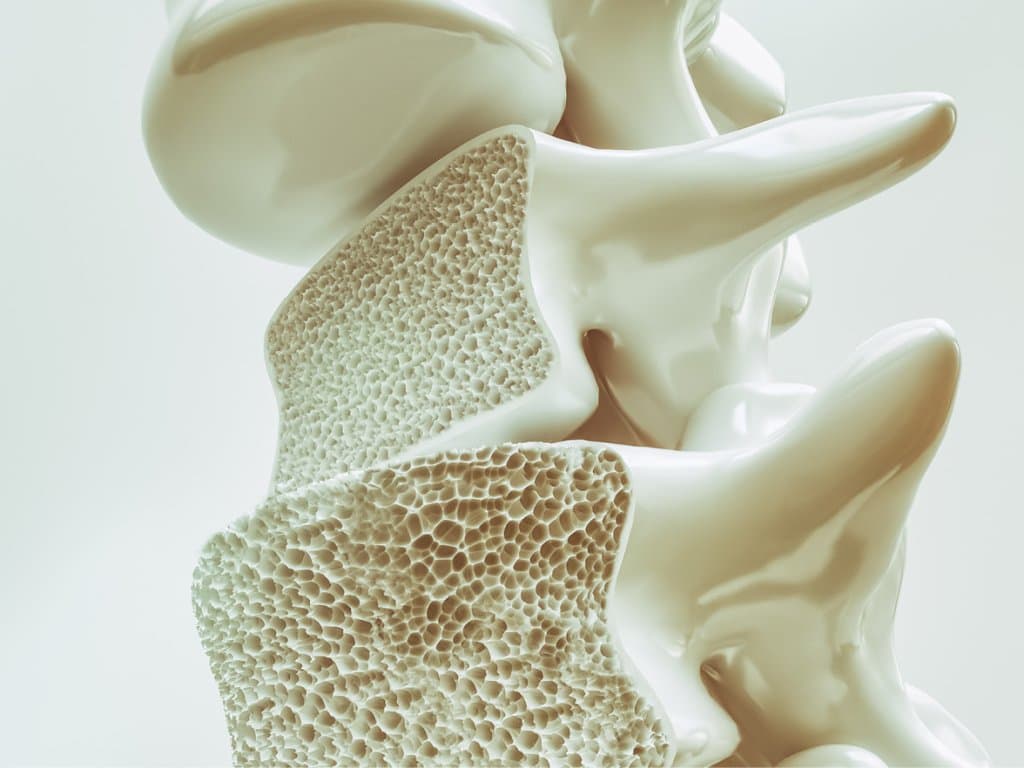
Experts examined 125 hospitalized patients with type 2 diabetes (T2D) and investigated the relationship between albumin levels and osteoporosis (OP). After adjusting for confounding factors, low albumin was associated with a higher OP risk, particularly in men. No significant association was found in women. These findings suggest that albumin levels should be considered in osteoporosis risk management for male patients with diabetes.
last year