
Loading, please wait...
.webp&w=384&q=75)
Loading, please wait...
"Wherever the art of Medicine is loved, there is also a love of Humanity."
— Hippocrates
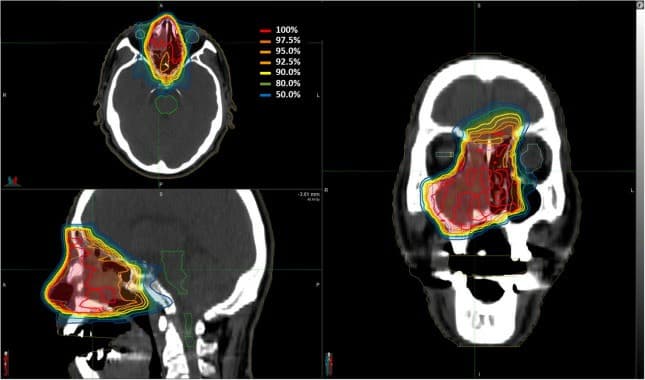
Primary peritoneal rhabdomyosarcoma management is a critical area of concern in pediatric oncology due to the tumor's aggressive nature. This rare soft tissue malignancy often presents a diagnostic and therapeutic challenge for clinicians. Consequently, understanding the risks of surgical handling and rapid recurrence is vital for improving patient outcomes. Furthermore, recent case reports highlight that iatrogenic seeding during surgery might accelerate peritoneal spread, making early multimodal intervention essential.
A 6-year-old girl presented with a one-month history of lower abdominal swelling in Northern Ethiopia. Initially, clinicians used abdominopelvic ultrasound and computed tomography (CT) scans to evaluate the patient. These imaging modalities revealed a well-defined, 8-cm pelvic solid mass situated anterior to the uterus and bladder. Subsequently, the surgical team performed an exploratory laparotomy. During the procedure, they discovered a mass attached to the lower abdominal wall and anterior pelvic peritoneum. Notably, surgeons achieved what appeared to be a complete resection of the lesion.
Following the surgery, histopathologic examination and immunohistochemistry (IHC) provided definitive answers. The tissue tested positive for desmin and myogenin, confirming a diagnosis of embryonal rhabdomyosarcoma. However, the clinical course took a tragic turn just five weeks postoperatively. The patient returned to the hospital with multiple malignant depositions across the peritoneum. Although the medical team immediately initiated systemic chemotherapy, the patient died before she could receive the second cycle. This rapid progression underscores the extreme virulence of this specific cancer subtype.
Refining peritoneal rhabdomyosarcoma management requires a shift toward preventive surgical techniques and early systemic therapy. Expert surgeons emphasize that handling the tumor with extreme care is necessary to avoid iatrogenic seeding. Additionally, evidence suggests that aggressive cytoreduction combined with hyperthermic intraperitoneal chemotherapy (HIPEC) might benefit a subset of patients. Therefore, multidisciplinary teams must prioritize early chemotherapy and radiation to control microscopic disease. Overall, this case serves as a stark reminder that even a macroscopically complete resection may not suffice without robust adjuvant support.
Pediatric oncologists and surgeons should maintain a high index of suspicion when encountering pelvic masses in children. Specifically, the risk of rapid peritoneal recurrence suggests that surgical intervention alone is rarely curative for rhabdomyosarcoma. Furthermore, clinicians must ensure that IHC markers like desmin and myogenin are readily available to confirm the diagnosis. By integrating these lessons, the medical community can better navigate the complexities of this rare malignancy.
The prognosis for this condition is generally poor due to its aggressive nature and tendency for early recurrence. Survival often depends on early diagnosis and the successful implementation of multimodal therapy including surgery, chemotherapy, and radiation.
Surgeons can minimize the risk of seeding by utilizing meticulous "no-touch" techniques and ensuring that the tumor capsule remains intact. Additionally, many experts recommend considering neoadjuvant chemotherapy to shrink the tumor before attempting a full resection.
Pathologists primarily rely on immunohistochemistry markers such as desmin, myogenin, and MyoD1. These markers are highly specific for muscle differentiation and help distinguish rhabdomyosarcoma from other small blue round cell tumors.
References
Gebreslase MN et al. Primary peritoneal embryonal rhabdomyosarcoma in a 6-year-old girl with rapid post-surgical peritoneal recurrence possibly due to surgical tumor seeding: a case report and review of the literature. J Med Case Rep. 2026 Feb 04. doi: 10.1186/s13256-026-05862-x. PMID: 41639885.
Kazi M, Qureshi SS. Primary Peritoneal Rhabdomyosarcomatosis in a 2-Year-Old Child Treated with Cytoreductive Surgery and Hyperthermic Intraperitoneal Chemotherapy — Case Report and Review of Literature. Indian J Surg Oncol. 2021;12(Suppl 2):322-326. doi:10.1007/s13193-021-01351-3.
National Cancer Institute. Childhood Rhabdomyosarcoma Treatment (PDQ®)–Health Professional Version. Updated 2025. Available at: https://www.cancer.gov/types/soft-tissue-sarcoma/hp/rhabdomyosarcoma-treatment-pdq.
"
Link will be sent via SMS to your number.



Introduction to Peritoneal RhabdomyosarcomaPrimary peritoneal rhabdomyosarcoma management is a critical area of concern in pediatric oncology due to the tum...
3 months ago
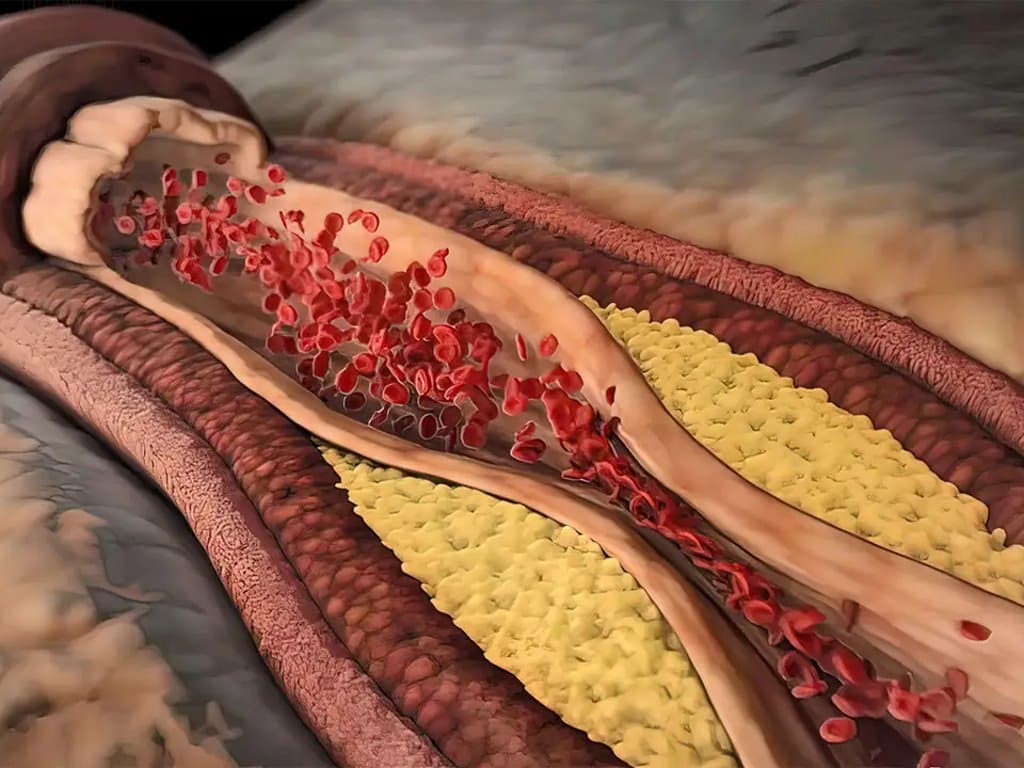
This study analyzed 7,507 participants to investigate the relationship between metabolic dysfunction-associated steatotic liver disease (MASLD) severity and coronary artery calcification (CAC). MASLD severity was significantly associated with subclinical atherosclerosis, especially in hypertensive individuals. Moderate and severe MASLD correlated with higher CAC stages, independent of traditional cardiovascular disease (CVD) risk factors.
last year
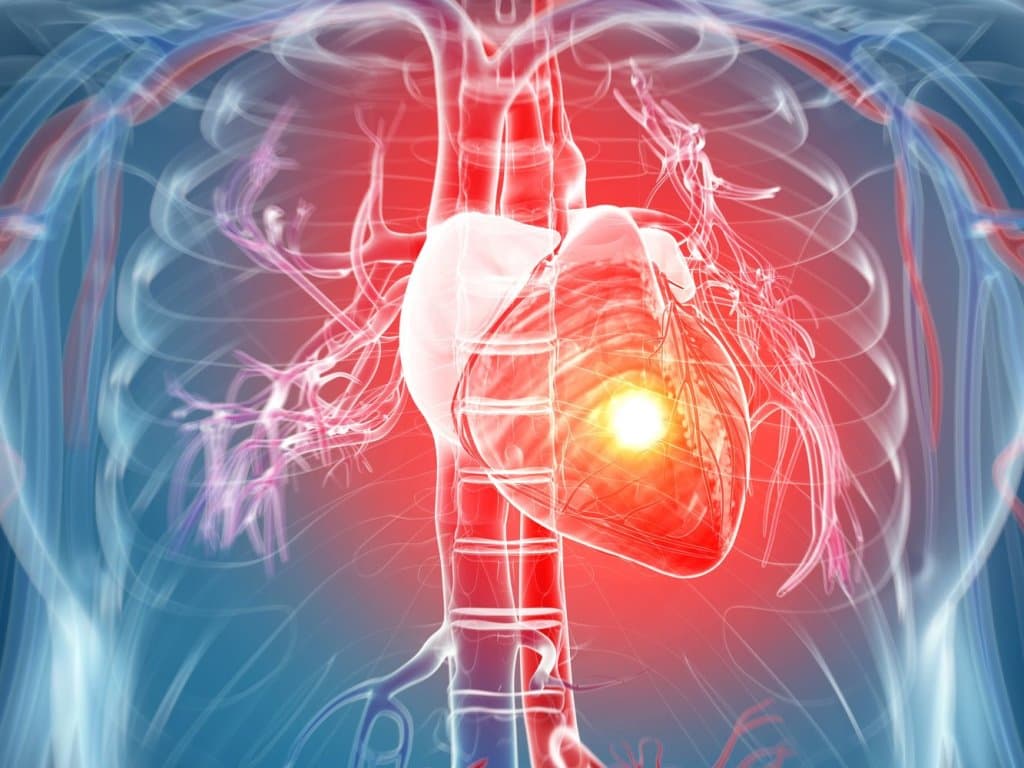
A research looked at the relationship between serum sclerostin and osteoprotegerin (OPG) and Acute Myocardial Infarction (ACM) patients' prognosis and severity. The AMI group (n=92) had greater blood levels of sclerostin and OPG than the non-AMI group (n=60) in this research. OPG that has been Ln-transformed has been connected to MACE. Bone-related proteins may help with early risk stratification and prognosis evaluation in patients with AMI.
3 months ago
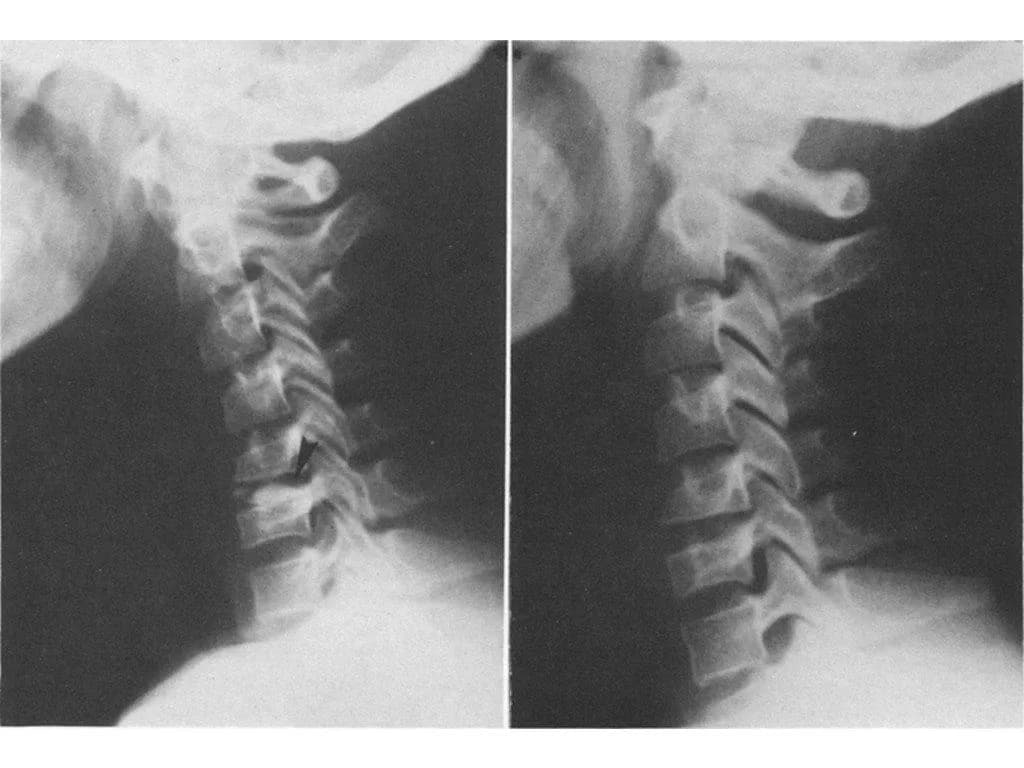
The effectiveness of conservative therapy in the treatment of pediatric intervertebral disc calcification (PIDC) was examined in 149 cases. A total of 109 patients had just one PIDC, 29 had two, and 21 had several. All patients received non-surgical, conservative care. After neck traction or collar fixation, all patients' symptoms disappeared. These findings indicated that PIDC can be treated conservatively.
3 years back
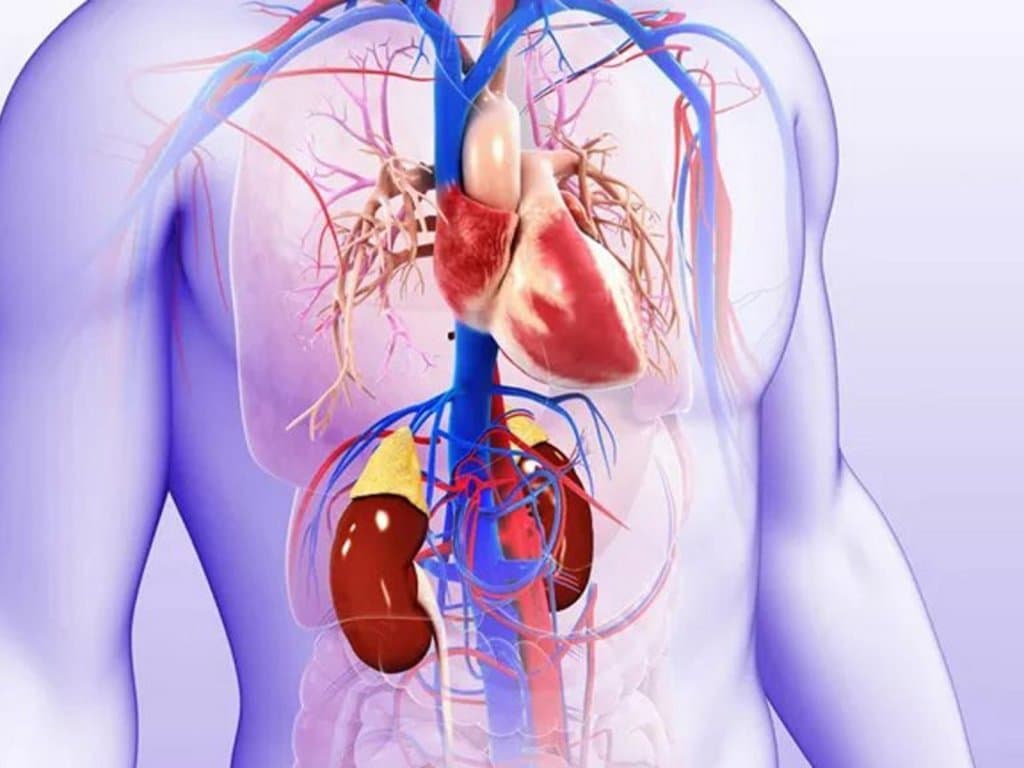
Researchers examined 270 acute myocardial infarction (AMI) patients with cardiovascular-kidney-metabolic (CKM) syndrome and found that admission hypocalcemia was independently associated with higher in-hospital mortality. Subgroup analyses showed a stronger association in females and elderly patients. A dose-response relationship was observed. These findings highlight hypocalcemia as a potential prognostic marker in this high-risk population.
last year