Loading, please wait...
.webp&w=384&q=75)
Loading, please wait...
"Wherever the art of Medicine is loved, there is also a love of Humanity."
— Hippocrates
Upon completion of this CME, participants should be able to:
-Facilitate efficient clinical decision-making for the treatment of AMD through use of imaging modalities that can inform clinical decision-making
-Counsel patients with AMD on evidence-based guideline recommended lifestyle modifications
-Interpret evidence from studies supporting the effectiveness and safety of ocular nutritional supplementation for patients with AMD
-Recommend ocular nutritional supplements that are adherent to the Age-Related Eye Disease Study2 formula to patients with AMD

Link will be sent via SMS to your number.



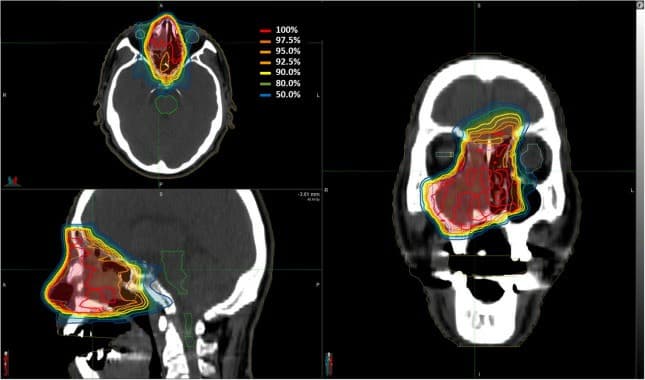
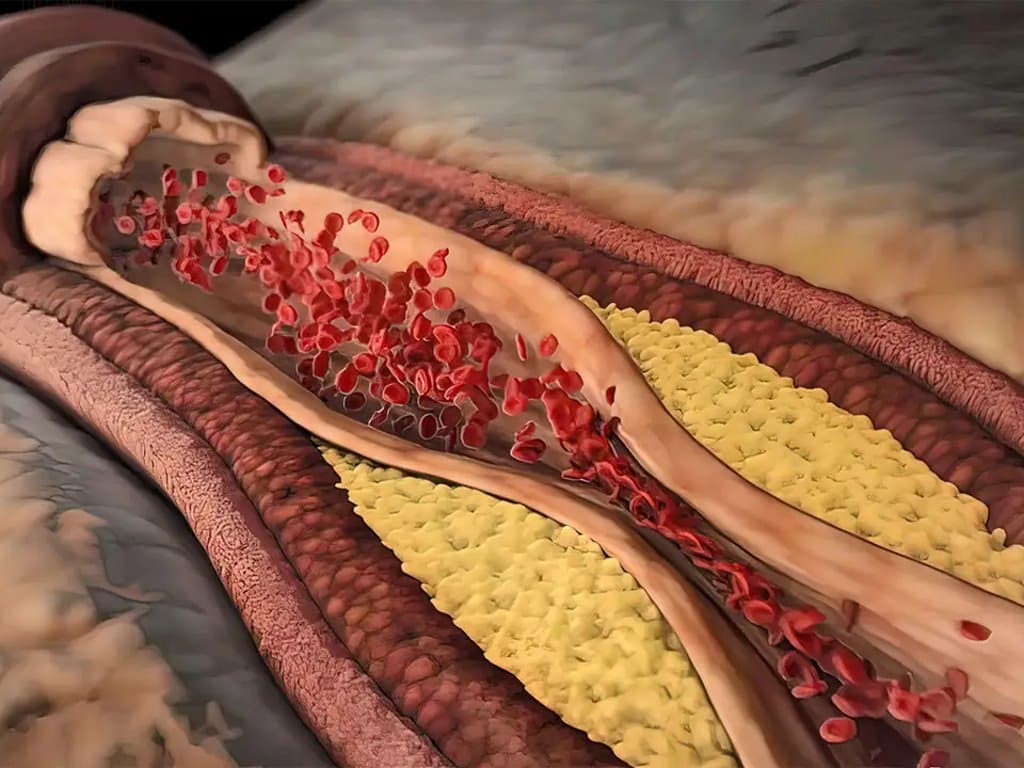
This study analyzed 7,507 participants to investigate the relationship between metabolic dysfunction-associated steatotic liver disease (MASLD) severity and coronary artery calcification (CAC). MASLD severity was significantly associated with subclinical atherosclerosis, especially in hypertensive individuals. Moderate and severe MASLD correlated with higher CAC stages, independent of traditional cardiovascular disease (CVD) risk factors.
last year
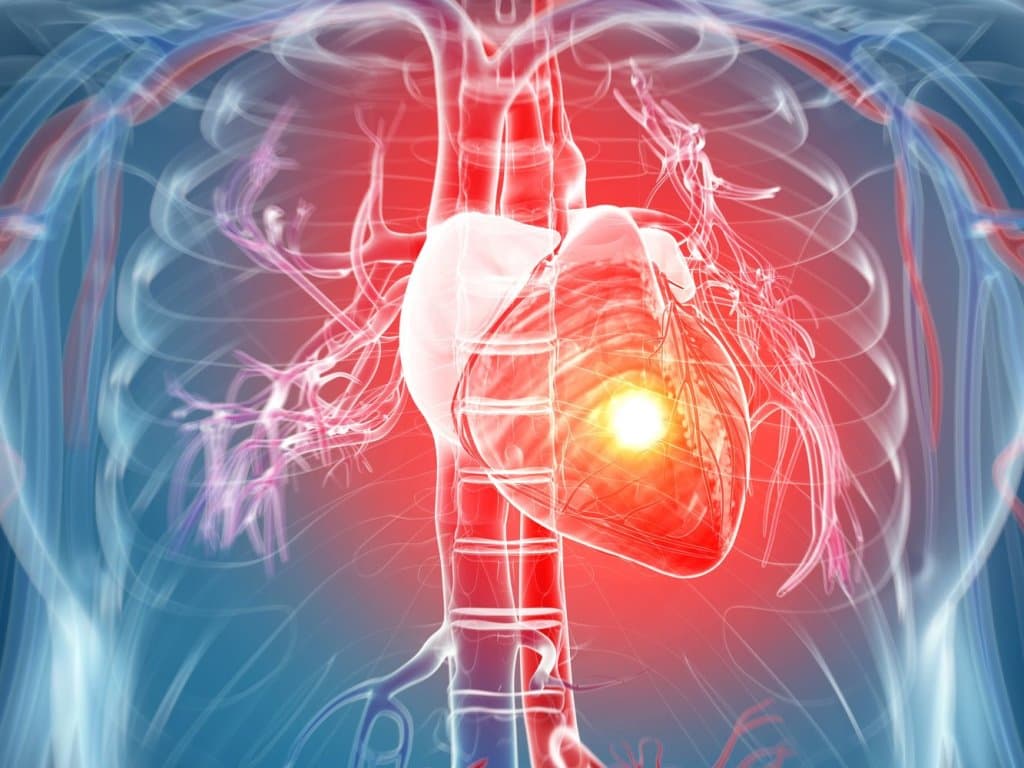
A research looked at the relationship between serum sclerostin and osteoprotegerin (OPG) and Acute Myocardial Infarction (ACM) patients' prognosis and severity. The AMI group (n=92) had greater blood levels of sclerostin and OPG than the non-AMI group (n=60) in this research. OPG that has been Ln-transformed has been connected to MACE. Bone-related proteins may help with early risk stratification and prognosis evaluation in patients with AMI.
3 months ago
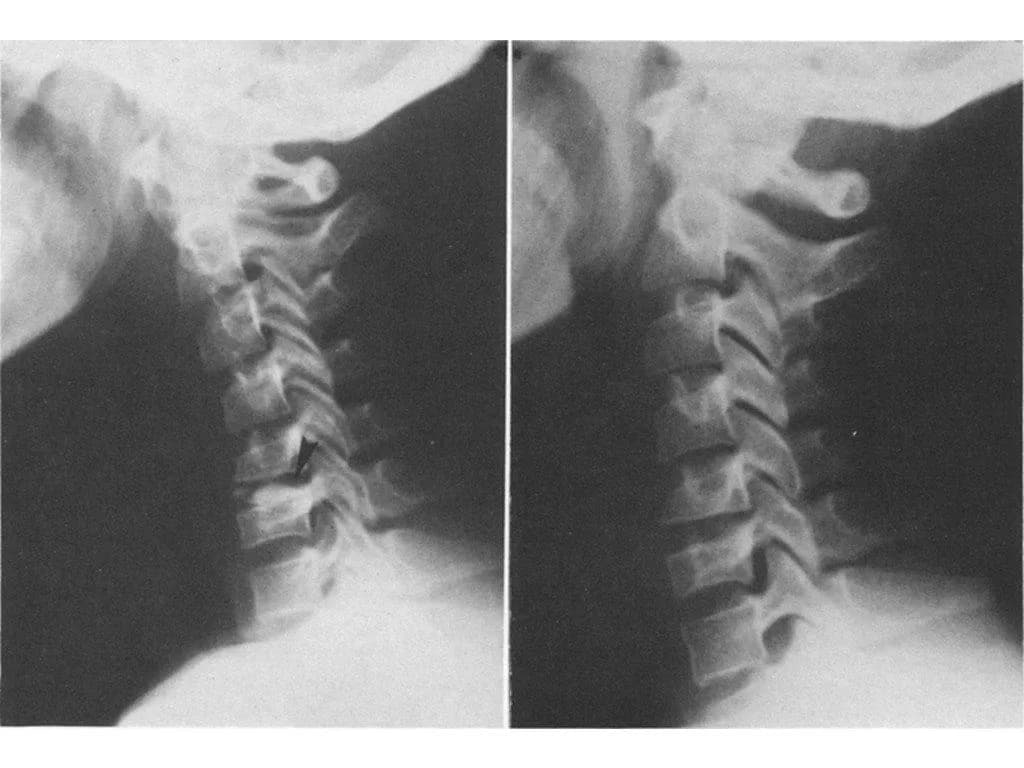
The effectiveness of conservative therapy in the treatment of pediatric intervertebral disc calcification (PIDC) was examined in 149 cases. A total of 109 patients had just one PIDC, 29 had two, and 21 had several. All patients received non-surgical, conservative care. After neck traction or collar fixation, all patients' symptoms disappeared. These findings indicated that PIDC can be treated conservatively.
3 years back
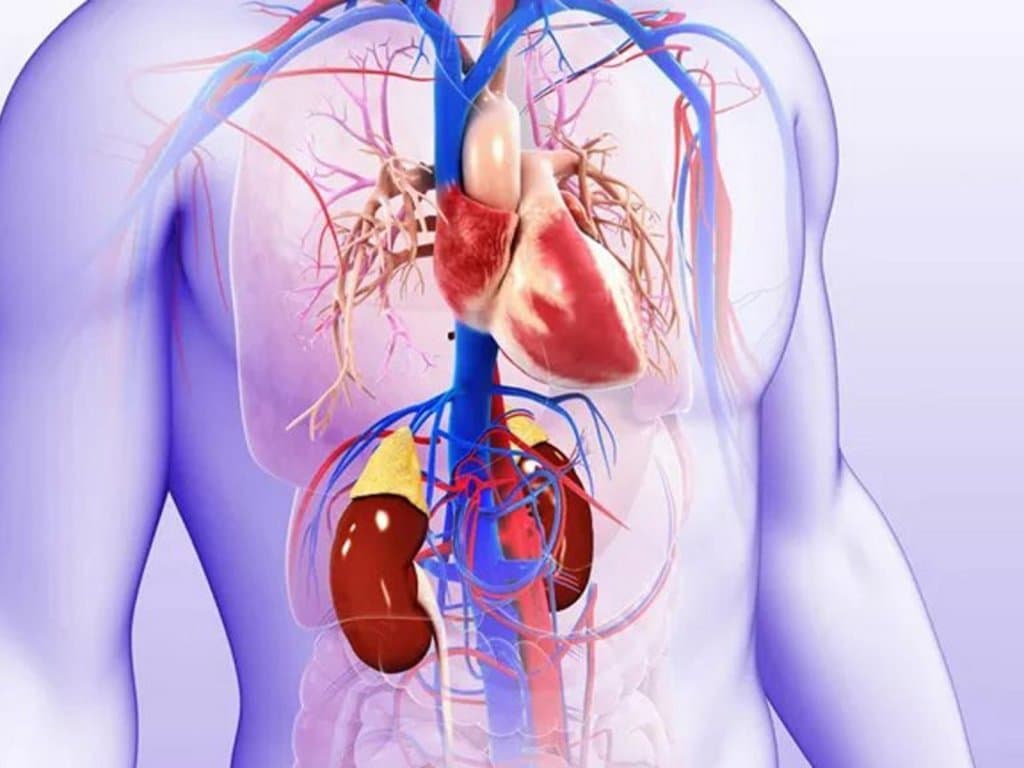
Researchers examined 270 acute myocardial infarction (AMI) patients with cardiovascular-kidney-metabolic (CKM) syndrome and found that admission hypocalcemia was independently associated with higher in-hospital mortality. Subgroup analyses showed a stronger association in females and elderly patients. A dose-response relationship was observed. These findings highlight hypocalcemia as a potential prognostic marker in this high-risk population.
last year