
Loading, please wait...
.webp&w=384&q=75)
Loading, please wait...
"Wherever the art of Medicine is loved, there is also a love of Humanity."
— Hippocrates
Primary peritoneal rhabdomyosarcoma (PPRMS) is an exceptionally rare and aggressive soft tissue malignancy in children. Specifically, the diagnosis of this tumor type requires a high index of suspicion. A case involving a 6-year-old girl from Ethiopia recently highlighted the severe challenges of managing this disease. She presented with lower abdominal swelling. Her initial mass was completely resected. Unfortunately, she experienced a rapid, aggressive peritoneal recurrence only five weeks after surgery. The tragic case strongly suggests the possibility of iatrogenic tumor cell peritoneal seeding during the initial procedure. Therefore, the optimal management of the highly aggressive embryonal rhabdomyosarcoma requires early, complex, and risk-adapted multimodal therapy.
Primary peritoneal rhabdomyosarcoma is an exceedingly rare form of soft tissue malignancy, making up only a small fraction of all pediatric sarcomatosis cases. Conversely, rhabdomyosarcoma typically affects the head and neck, genitourinary organs, or extremities. This specific peritoneal presentation carries a very poor prognosis. Furthermore, the tumor's aggressive nature, combined with the risk of widespread peritoneal seeding, contributes to dismal outcomes in many reported cases. The source case demonstrated this aggression clearly. The initial pathological examination confirmed embryonal rhabdomyosarcoma, a subtype more common in younger children. The rapid recurrence after an R0 (complete) resection suggests that standard surgical techniques may be insufficient to prevent microscopic spillage in this anatomical location. Therefore, surgeons must adopt preventive techniques immediately.
The standard treatment for childhood rhabdomyosarcoma involves a multimodal approach: systemic chemotherapy, radiation therapy, and surgery. Doctors determine the optimal timing and intensity of these three components based on the patient's individual risk group assignment. Consequently, doctors generally perform surgical resection before chemotherapy only if it will not result in major disfigurement or functional compromise. If this is not possible, doctors perform only an initial biopsy. Cytoreductive surgery (CRS) followed by Hyperthermic Intraperitoneal Chemotherapy (HIPEC) is emerging as a potential, aggressive option for select subsets of peritoneal sarcomatosis. In fact, this approach shows promise for achieving favorable outcomes in cases without other unfavorable characteristics. Aggressive surgery alone is probably insufficient for PPRMS because of the high recurrence risk, as the current case illustrates. Multimodal therapy must start early to achieve an optimal outcome.
Q1: What makes Primary Peritoneal Rhabdomyosarcoma (PPRMS) in children so aggressive?
PPRMS is an exceedingly rare and aggressive malignancy in children. Its aggressive nature, coupled with the tendency for widespread peritoneal tumor seeding, significantly contributes to the poor prognosis and rapid recurrence, as demonstrated in this case.
Q2: What is the optimal treatment for Embryonal Rhabdomyosarcoma in this location?
Optimal care requires early, risk-adapted multimodal therapy. This includes systemic chemotherapy, radiation therapy, and surgery. Experts increasingly suggest that aggressive cytoreductive surgery combined with Hyperthermic Intraperitoneal Chemotherapy (HIPEC) may offer a curative intent in favorable cases, although evidence is limited.
Q3: How does surgical tumor seeding influence recurrence?
Surgical tumor seeding is a serious concern, especially with aggressive tumors like PPRMS. The case report highlights that microscopic tumor cells may spread during the initial resection (even when a complete R0 resection is achieved), leading to rapid, widespread peritoneal malignant depositions shortly after the operation. Therefore, using preventive surgical techniques is essential.
References

Link will be sent via SMS to your number.



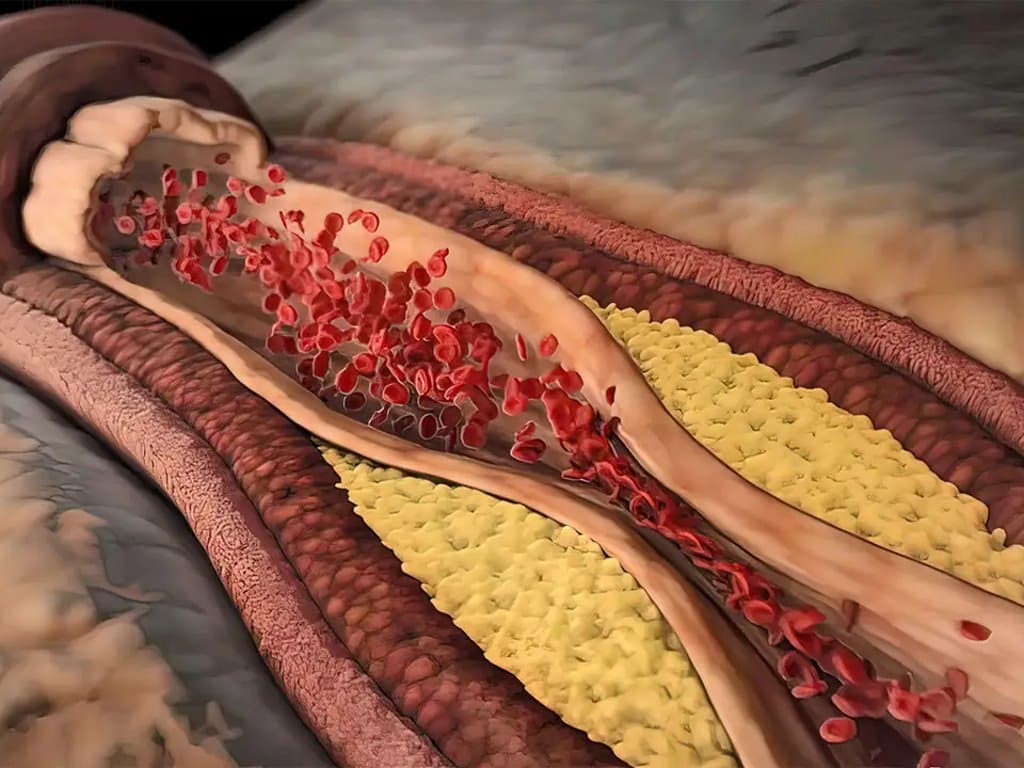
This study analyzed 7,507 participants to investigate the relationship between metabolic dysfunction-associated steatotic liver disease (MASLD) severity and coronary artery calcification (CAC). MASLD severity was significantly associated with subclinical atherosclerosis, especially in hypertensive individuals. Moderate and severe MASLD correlated with higher CAC stages, independent of traditional cardiovascular disease (CVD) risk factors.
last year
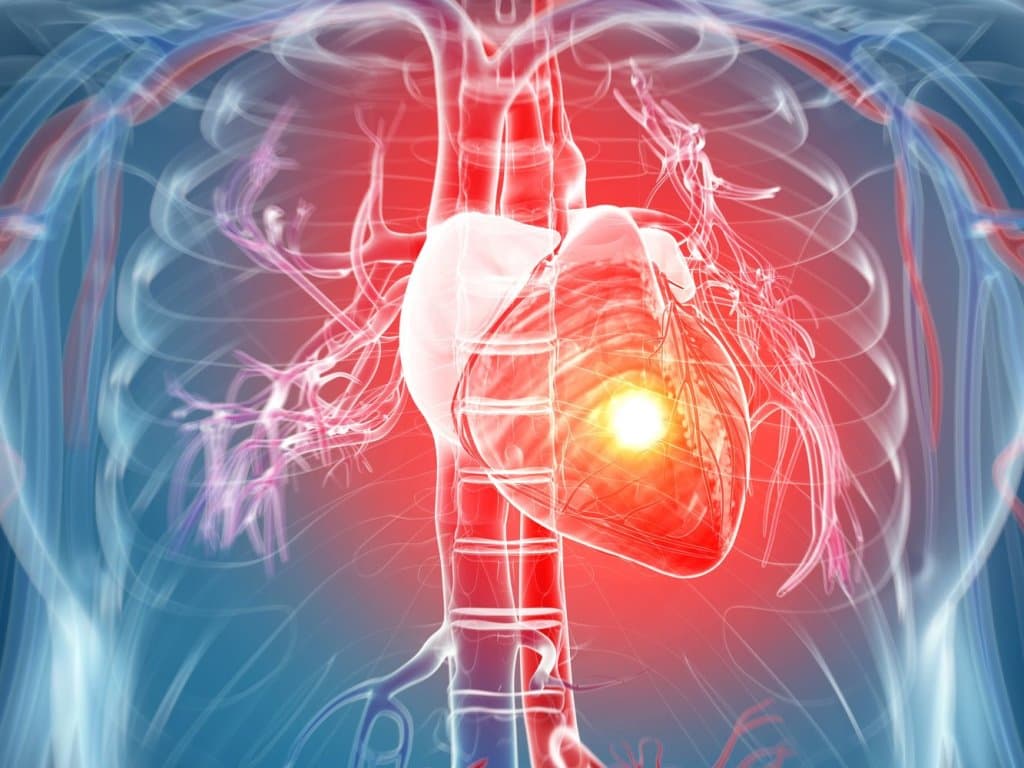
A research looked at the relationship between serum sclerostin and osteoprotegerin (OPG) and Acute Myocardial Infarction (ACM) patients' prognosis and severity. The AMI group (n=92) had greater blood levels of sclerostin and OPG than the non-AMI group (n=60) in this research. OPG that has been Ln-transformed has been connected to MACE. Bone-related proteins may help with early risk stratification and prognosis evaluation in patients with AMI.
3 months ago
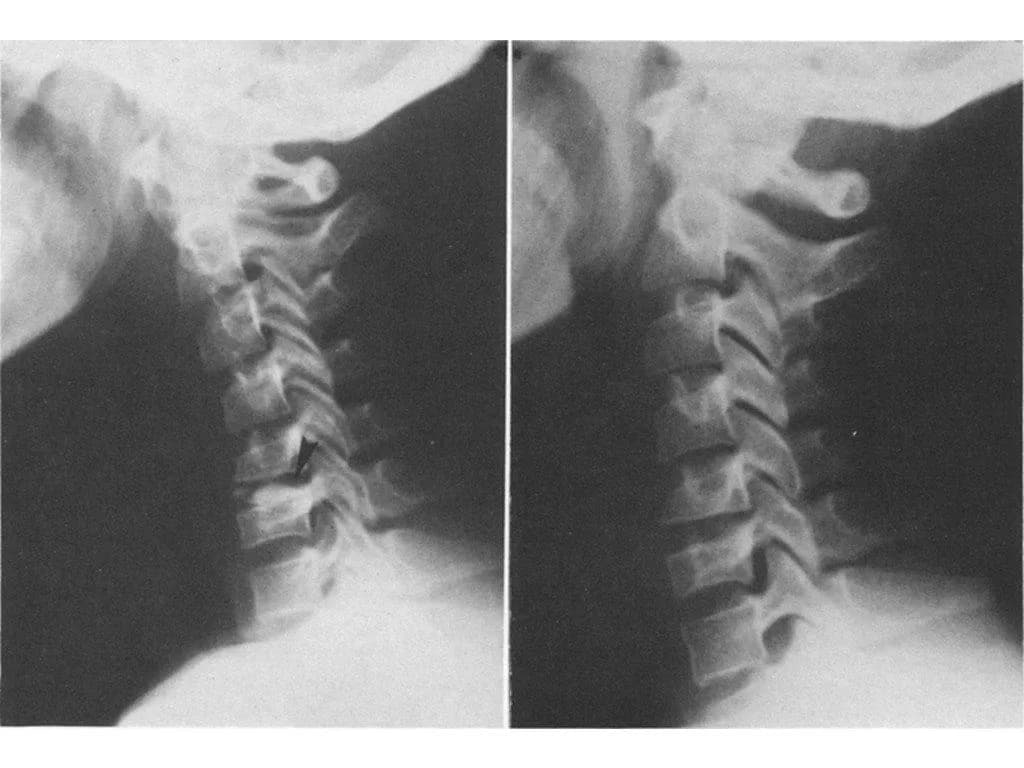
The effectiveness of conservative therapy in the treatment of pediatric intervertebral disc calcification (PIDC) was examined in 149 cases. A total of 109 patients had just one PIDC, 29 had two, and 21 had several. All patients received non-surgical, conservative care. After neck traction or collar fixation, all patients' symptoms disappeared. These findings indicated that PIDC can be treated conservatively.
3 years back
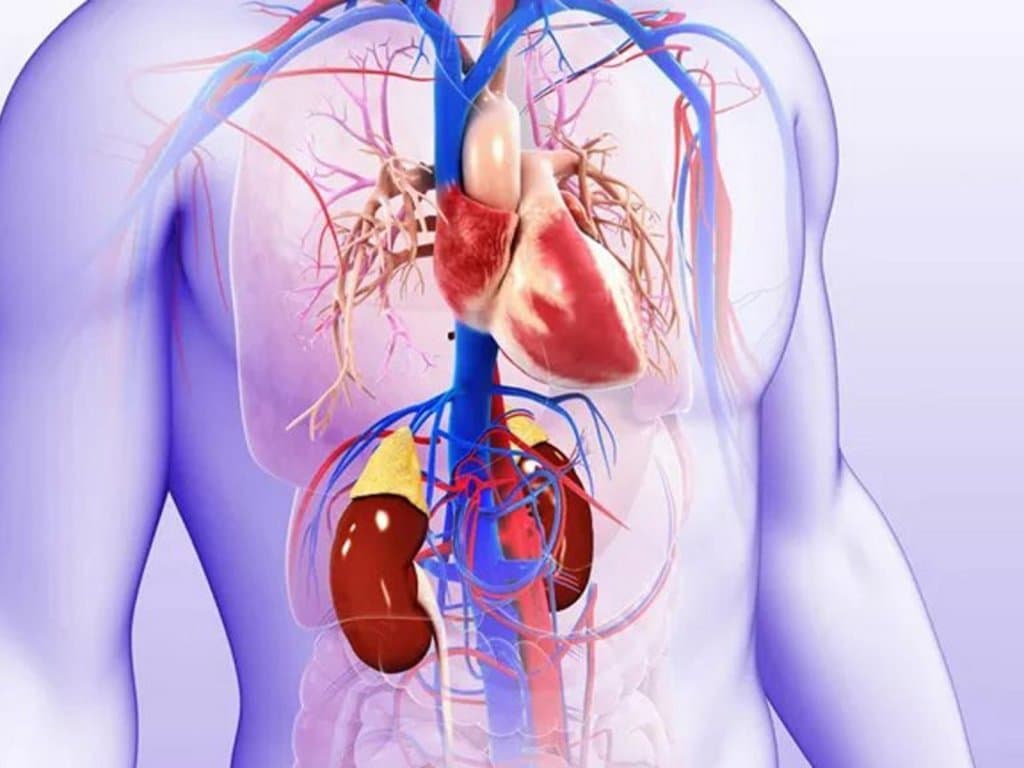
Researchers examined 270 acute myocardial infarction (AMI) patients with cardiovascular-kidney-metabolic (CKM) syndrome and found that admission hypocalcemia was independently associated with higher in-hospital mortality. Subgroup analyses showed a stronger association in females and elderly patients. A dose-response relationship was observed. These findings highlight hypocalcemia as a potential prognostic marker in this high-risk population.
last year