
Loading, please wait...
.webp&w=384&q=75)
Loading, please wait...
"Wherever the art of Medicine is loved, there is also a love of Humanity."
— Hippocrates
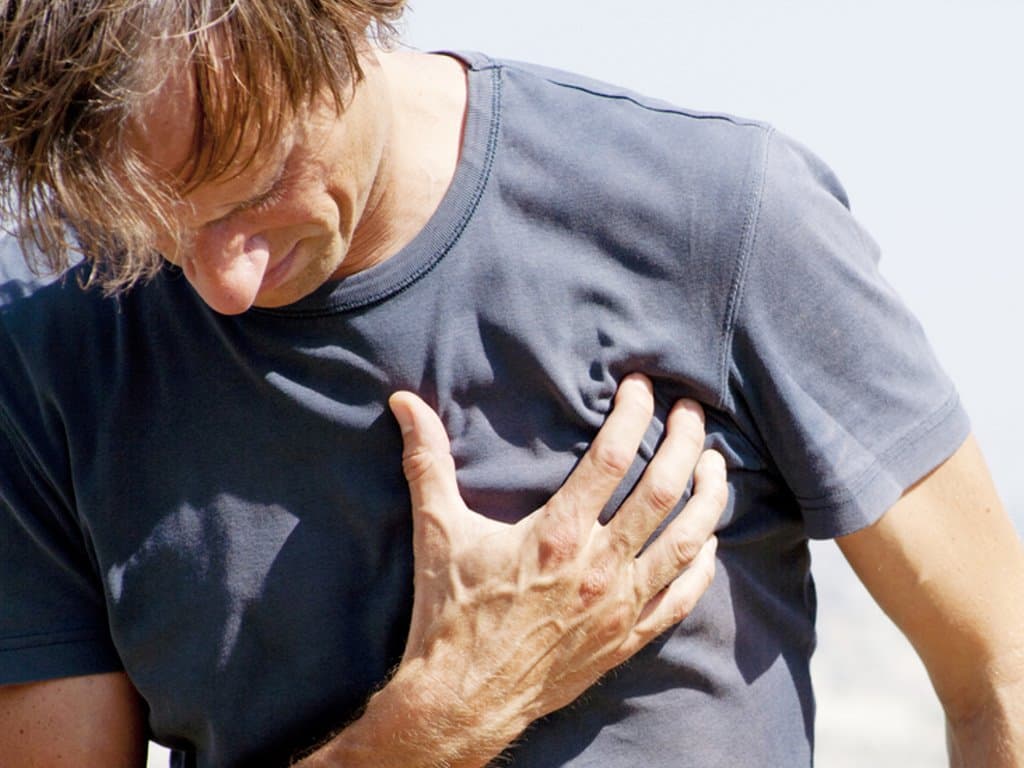
A paper published recently discussed the treatment of Cardiovascular Risk (CVR) in rheumatic and musculoskeletal illnesses. The European League Against Rheumatism (EULAR) defined the methods that were used to create this proposal. Nineteen suggestions were made, including subjects such as CVR prediction tools, conventional CVR factors, and disease-related CVR factor therapies.

Link will be sent via SMS to your number.



A paper published recently discussed the treatment of Cardiovascular Risk (CVR) in rheumatic and musculoskeletal illnesses. The European League Against Rheumatism (EULAR) defined the methods that were used to create this proposal. Nineteen suggestions were made, including subjects such as CVR prediction tools, conventional CVR factors, and disease-related CVR factor therapies.
4 months ago
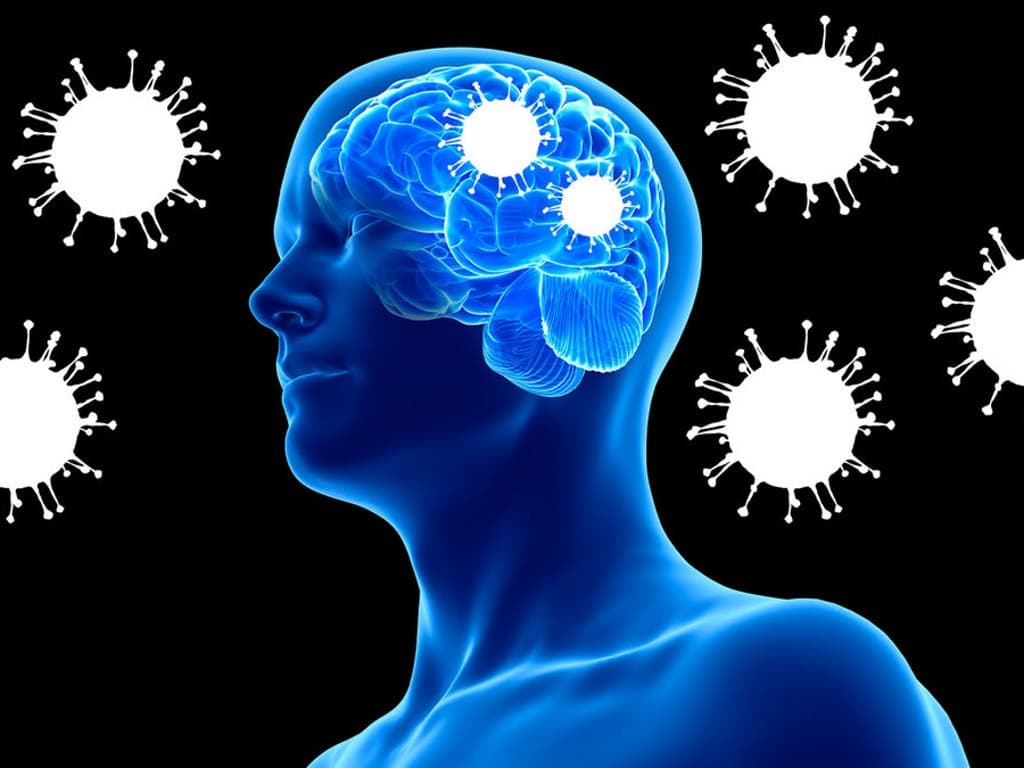
Researchers analyzed the neurological impact of mild SARS-CoV-2 infection using EEG data from 185 participants & 181 questionnaires. Mild cognitive decline & increased low-frequency EEG activity were recorded across all age groups, however, children and adolescents experienced milder effects. Results indicated enduring cognitive impacts, possibly contributing to anxiety, insomnia & neurodevelopmental issues.
last year
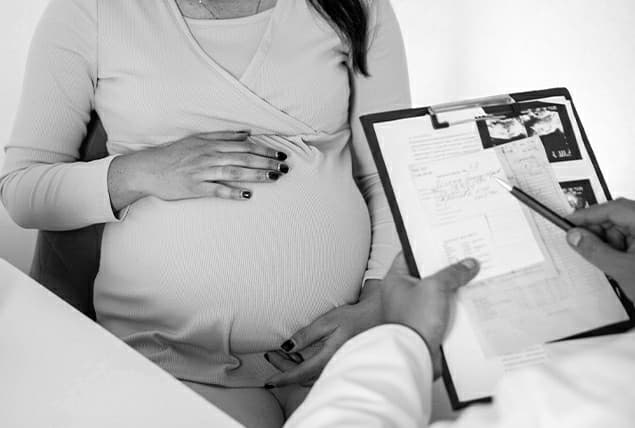
Experts investigated associations between specific pregnancy complications & maternal mortality within a year post-childbirth among 1,237,254 mothers. Pregnancy complications in the most recent pregnancy (placental abruption, preeclampsia, preterm birth, perinatal death & gestational hypertension) increased maternal mortality risk. Risk escalated with multiple complications in recent pregnancies, emphasizing the need for close monitoring.
last year
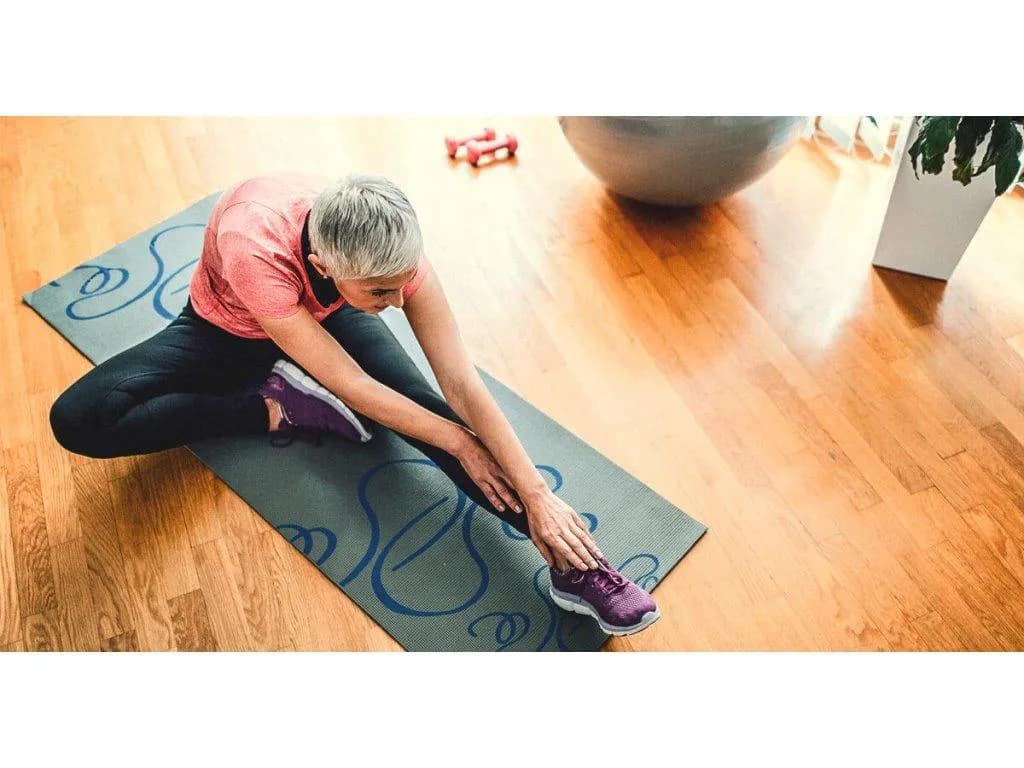
The Oarsi Rehabilitation Discussion Group recommended using an evidence-based approach, considering exercise in the context of living with OA & pain, conducting a baseline assessment with follow-up, setting goals, considering the type of exercise, modifying and progressing exercise, and individualized exercise, optimizing exercise delivery, focusing on exercise adherence, and providing education about OA and the role of exercise.
3 years back
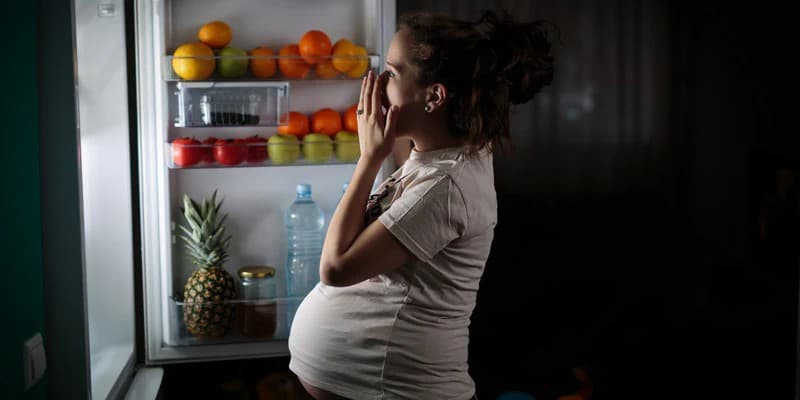
A study investigated whether bedtime snacks prevent high fasting glucose in 62 women with GDM. Over 8 weeks, no significant difference in fasting glucose levels or hyperglycemia incidence was observed between the snack and no-snack groups. However, LDL cholesterol and 1-hour postprandial glucose were higher in the snack group. The study suggests bedtime snacking does not improve glycemic control in GDM and may negatively affect lipid markers.
last year